
Top Casino Games That Actually Pay Out Big in 2025
Losing track of complex card combinations or struggling to recall payout tables can diminish the enjoyment of a night at the tables. Casino games solve this by providing structured rules and clear objectives, such as aligning symbols on a payline in slots or reaching a hand total of 21 in blackjack. The key benefit is immediate, transparent feedback on every action, with mathematical probabilities ensuring a fair and consistent challenge. Understanding each game’s specific mechanics is the only requirement to begin playing immediately, as no prior experience is needed for most titles.
Exploring the Core Mechanics of Table-Based Gambling
Exploring the core mechanics of table-based gambling begins with understanding that each game is a closed system governed by fixed probabilities. In roulette, the spin of the wheel and the bounce of the ball determine the random outcome against a static payout table. Blackjack mechanics revolve around the binary choice to hit or stand, with the house edge stemming from the player’s requirement to act before the dealer. Craps mechanics are the most complex, based on the sum of two dice, with each possible roll linked to specific box numbers and bets. Every table game’s core mechanic is the relationship between the rule set and the probability of specific outcomes. A key insight is that
the house does not win by cheating, but by paying less than the true odds of the game’s core dice, card, or wheel mechanics.
Understanding these elemental rules—not luck—is the only way to evaluate a game’s fundamental structure.
How the House Edge Shapes Your Odds at the Felt
At the felt, the house edge isn’t just a number—it’s the invisible hand that tilts every spin, roll, and deal slightly against you. On a double-zero roulette wheel, that edge comes from the green 0 and 00 pockets, chipping away at your odds when you bet on red or black. In craps, pass line bets have a low 1.41% edge, while proposition bets can soar past 10%, making them a fast track to losing. Understanding this house edge mechanics helps you pick bets that stretch your bankroll longer, since the casino’s built-in advantage always determines your real odds over time.
Decoding Card Values and Strategic Betting in Blackjack Variants
Decoding card values is foundational, as numbered cards retain their pip count, face cards are worth ten, and the ace holds flexible value (one or eleven) to avoid busting. Strategic betting in Blackjack variants like Spanish 21 or Pontoon requires adjusting wager size based on the true count in shoe games. A practical sequence for optimal betting adjustments involves:
- Maintaining a base unit bet at a neutral or negative count.
- Raising bets by one to two units when the count turns positive (+2 or higher).
- Reserving maximum wagers only for strongly favorable counts (+5 or above).
- Immediately reducing bets after a reshuffle resets the deck composition.
This logic ensures bankroll efficiency across rule variations.
Roulette Wheel Dynamics: Inside Wagers vs. Outside Bets
Inside wagers on a roulette wheel target narrow number sets, directly reducing win probability but offering higher payouts, such as 35:1 for a single number. Conversely, outside bets cover larger segments like red/black or odd/even, increasing hit frequency at lower odds near 1:1. This divergence stems from the wheel’s static 37 or 38 pockets. A logical sequence for a balanced approach is: evaluating coverage versus payout ratio.
- Analyze inside wagers for specific, high-risk positions.
- Balance bankroll with outside bets for more consistent results.
- Adjust bet distribution based on observed spin patterns.
Mastering the Art of Strategic Play in Card Games
Mastering the art of strategic play in casino card games hinges on rigid discipline and probabilistic awareness, not emotion. In blackjack, for instance, perfect basic strategy cuts the house edge to under 1%, turning a game of chance into a calculated venture. Similarly, in baccarat, you must ignore pattern myths and always bet the Banker for the lowest vig.
The core insight is that folding marginal hands in poker or hitting on 16 against a dealer’s 10 is not hesitation—it is a mathematically correct decision that preserves your bankroll over thousands of hands.
Sharp players also master bet sizing, adjusting wagers after wins to capitalize on runs while never chasing losses. Every action must serve long-term expected value, not short-term excitement.
Reading the Table: Poker Position and Bluffing Techniques
Reading the table begins with understanding that your poker position relative to the dealer dictates the strength of your bluff. Acting last (late position) provides the maximum information about opponents’ actions, allowing you to bluff when weakness is evident. Conversely, bluffing from early position carries higher risk, as multiple players remain to act. Effective bluffing relies on narrating a consistent story through your betting patterns that aligns with your perceived hand strength from that seat, making folds more likely.
Card Counting Fundamentals for the Modern Player
For the modern player, card counting fundamentals hinge on the Hi-Lo running count system. You assign a value of +1 to low cards (2-6), 0 to neutral cards (7-9), and -1 to high cards (10-Ace). As each card is dealt, you mentally adjust a single integer. To convert this into a true count for more decks, divide the running count by the estimated number of remaining decks. This true count guides bet sizing and playing deviations, shifting the house edge in your favor.
Modern card counting relies on the Hi-Lo system, converting a running count into a true count to inform bet adjustments and playing strategy.
Baccarat Pathways: Banker Bets and Pattern Tracking
Within Baccarat Pathways, focusing on Banker Bets and pattern tracking involves recording past outcomes on a bead plate or scorecard to identify streaks, chops, or patterns like the Big Eye Boy. The Banker bet, with its lower house edge, is the statistical anchor, but tracking reveals tendencies such as Banker dominance on certain roadmaps. Players follow these visual cues to anticipate when a Banker streak will break or a trend will reverse, adjusting their bets accordingly. This tactical observation transforms random chance into a structured play sequence.

Baccarat Pathways merges statistical Banker preference with visual roadmap analysis to guide betting decisions through observed trends, not predictions.
The Rise of Digital Reels and Modern Slot Mechanics
The shift from physical spinning reels to digital screens has revolutionized slot mechanics, allowing for cascading wins and cluster pays that replace rigid paylines. Modern digital reels introduce megaways mechanics, where the number of symbols per reel changes with every spin, creating thousands of ways to win. This dynamic structure enables features like expanding wilds and multi-level bonus rounds that trigger unpredictably. Understanding these mechanics is key to recognizing that each spin’s volatility stems from the algorithm, not luck. The tactile interaction with touchscreens and immersive animations further engage players, making modern slots a fluid, reactive experience far beyond the classic one-arm bandit.
Volatility and RTP: Choosing the Right One-Armed Bandit
When selecting a digital slot, understanding volatility and RTP balance is critical for aligning gameplay with personal risk tolerance. RTP (Return to Player) represents the theoretical percentage a machine returns over time, while volatility dictates the frequency and size of payouts. Low volatility slots offer frequent, smaller wins, suiting extended play, whereas high volatility games produce rare but larger payouts, demanding patience. A high-RTP slot with low volatility reduces bankroll risk, but high volatility may appeal to those chasing substantial jackpots. Matching these mechanics to your session goals—grinding for steady returns or seeking big hits—defines the optimal choice.
Choose a low-volatility, high-RTP slot for consistent small wins, or high volatility for infrequent large payouts; your risk appetite dictates the best fit.
Progressive Jackpots: How Networked Pools Create Life-Changing Wins
Networked progressive jackpots aggregate small bets from thousands of linked slot machines into a single, exponential prize pool. Unlike standalone machines, these interconnected systems let a player’s contribution fuel a payout that can cross millions of dollars in seconds. A portion of every wager across the network feeds the meter, which climbs until one lucky spin triggers the full amount. The odds remain fixed per spin, but the leverage of pooled liquidity makes the potential reward far exceed any single machine’s capacity. For a player, the key is that the jackpot resets to a base seed after each win, then rebuilds immediately from fresh collective bets. How does a networked pool create life-changing wins? By letting thousands of players simultaneously fund a single prize, the pool bypasses individual betting limits, enabling a win that no ordinary slot could ever generate on its own.
Bonus Rounds and Free Spins: Maximizing In-Game Features
To maximize in-game features, focus on triggering free spins multipliers before locking in bonus rounds. First, analyze paytables to identify scatter symbols that unlock free spins—prioritize slots offering retrigger potential within the round itself. Second, adjust bet sizes to meet the threshold for bonus activation without exhausting your bankroll. Some games allow you to gamble bonus winnings for extra spins, though this carries volatility. Finally, utilize the autoplay function with a preset stop-loss to automate repeated attempts at entry. By timing your stake to peak play sessions, you amplify the frequency of cascading reels and added wilds during active bonuses.
Navigating Live Dealer Environments and Virtual Tables
Navigating a live dealer environment demands a shift in tempo from virtual tables; you must read the croupier’s hand speed and table chat for betting cues. In contrast, virtual tables offer fast, isolated play where autoplay features and quick-fold buttons become your primary tools for volume. A key survival skill is managing the simultaneous streams: watch the shoe and the dealer’s tells in live blackjack while ignoring side-bet chatter. The nuance? Virtual tables reward cold calculation, but live games punish hesitation with a missed hand. Switching between modes requires adjusting your bankroll rhythm—slower, deliberate bets for live, rapid cycles for RNG-based virtual play. Knowing when to engage the human element versus when to trust the algorithm defines successful navigation.
Streaming Technology and Real-Time Interaction with Croupiers
Streaming technology in live dealer environments relies on multiple HD cameras to capture the croupier’s actions from angles that eliminate visual blind spots, ensuring you see every card shuffle and roulette spin in real time. Low-latency video feeds synchronize your bets with the croupier’s gameplay, while integrated chat functions allow you to send messages or use emoji reactions that the croupier acknowledges instantly. This two-way interaction is supported by optical character recognition, which converts physical card or wheel outcomes into data that updates your interface without delay. For a practical comparison of latency and interaction methods:
| Aspect | Streaming Technology | Interaction Feature |
|---|---|---|
| Video Delivery | HD multi-camera with low-latency encoding | Real-time dealer acknowledgment of bets |
| Audio/Visual Sync | Sub-second frame alignment | Instant chat response from croupier |
Side Bets and Insurance: When to Take the Extra Risk
Side bets and insurance offer supplemental wagers that can alter your bankroll trajectory, but they carry a higher house edge than the main game. In blackjack, insurance is a side bet against the dealer having blackjack, which statistically loses money over time unless you are counting cards. For live dealer environments, taking side bets like “Perfect Pairs” or “21+3” should be reserved for moments when you seek variance, not as a profit strategy. Strategic insurance avoidance is crucial for disciplined play.

- Accept that insurance is a poor value bet with house edges exceeding 7% in most blackjack variants.
- Only consider side bets when you are ahead on the session and willing to risk small amounts for entertainment.
- Never use side bets as a hedge to recover losses, as their negative expectation compounds losses.
- In virtual tables, side bets often resolve instantly, so set a strict per-round limit for these optional wagers.
Mobile Optimization: Seamless Gameplay on Smartphones and Tablets
Responsive touch controls are critical, mapping virtual joysticks and swipe gestures precisely to table interactions, such as tapping to place chips or spinning the wheel. Adaptive streaming tech automatically adjusts bitrate based on your Wi-Fi or 5G signal, preventing lag during live dealer sessions. Portraits and landscape modes offer optimized views of the felt and game interface, with card values and bet buttons scaled for finger accuracy. Is the game interface specifically resized for my tablet’s screen? Top tables deploy dynamic UI elements that reposition buttons and dealer feeds to prevent misclicks, ensuring you never accidentally double-down or fold due to cramped layouts. All action remains fluid and immediate on smaller displays.
Bankroll Management and Psychological Pitfalls
Solid bankroll management is your only defense against the casino’s edge; always bet a fixed, small percentage of your total funds to survive losing streaks. Psychological pitfalls like the gambler’s fallacy—believing a loss means a win is “due”—will erode your discipline faster than any house advantage. Chasing losses by increasing bets is the surest path to ruin, as it replaces strategy with desperation. Recognize that a session’s outcome is independent of the last, making detachment from individual results your most practical tool. The real challenge is not beating the game, but mastering the emotional impulse to recoup a loss, which always leads to larger ones.
Setting Stop-Loss Limits and Win Goals Before You Sit Down
Before you sit down at any casino game, lock in two rock-solid numbers: your stop-loss limit and your win goal. Your stop-loss is the maximum you’re prepared to lose in one session; once hit, you walk away, no exceptions. Your win goal is the profit threshold that triggers an exit, locking in gains before the house edge can take them back. Setting predetermined exit points turns impulsive play into a discipline. Apply this sequence:
- Decide your session bankroll.
- Set your stop-loss (e.g., lose 30% of your bankroll).
- Set your win goal (e.g., gain 50% of your bankroll).
- Walk away the instant either number is reached.
This one rule separates strategy from emotion on every spin, hand, or roll.
The Gambler’s Fallacy: Why Past Outcomes Don’t Predict Future Results
In casino games, the Gambler’s Fallacy creates a dangerous illusion that a blackjack deck “owes” a win after five losses, or that a roulette wheel must land on red after a black streak. This faulty reasoning ignores independent probability: each spin or card pull remains stateless. To break the cycle:
- Track only your bankroll, not past results.
- Remind yourself that dice have no memory.
- Walk away the moment you feel a “due” outcome.
Trusting this fallacy erodes discipline faster than any house edge.
Chasing Losses: The Fastest Route to an Empty Pocket
Chasing losses represents a cascade of irrational decisions where a player, after a losing session, increases bets to recover deficits. This sequence often follows a predictable, destructive path: first, a failed attempt to recoup a small loss with a larger wager; second, a deeper loss that triggers emotional urgency; and third, abandonment of pre-set limits to escalate stakes. The core error is treating past bets as debts, yet each spin remains an independent probability event. This behavior erodes discipline, and the mathematics of negative expectation ensures speedier depletion. Avoiding the sunk-cost fallacy is essential; no wager can recover lost funds—only amplify them.
- Experience a loss and feel immediate pressure to “win it back.”
- Increase bet size or frequency, ignoring bankroll limits.
- Sustain a larger loss, then repeat the cycle until the bankroll is empty.
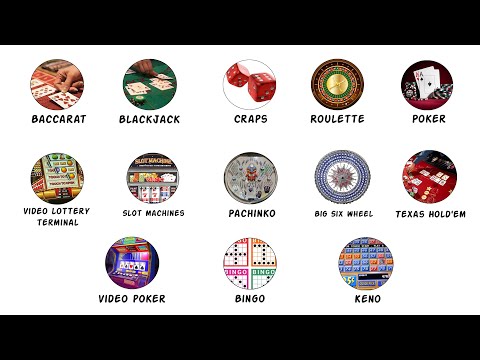
Exploring Niche Betting Options Beyond the Mainstays
Exploring niche betting options beyond slot machines and blackjack allows you to engage with specialized side bets like the “Perfect Pairs” in blackjack or “Let It Ride” side wagers on poker hands. In craps, place bets on specific numbers like the “Hardways” offer higher payouts for exact dice combinations. Video poker variants such as cd33 “Deuces Wild” introduce wild cards, altering optimal strategy and payout tables. Baccarat players can delve into “niche betting options” like the “Dragon Bonus” for bigger wins on specific point spreads. These focused bets on exploring niche betting options require understanding unique rules but can enhance engagement beyond standard table limits.
Keno and Bingo: Luck-Driven Numbers with Rapid Payouts
For players seeking instant gratification from chance, Keno and Bingo: Luck-Driven Numbers with Rapid Payouts deliver exactly that. Keno lets you pick up to 20 numbers from a pool of 80; if they match the 20 drawn, you win instantly, with some variants offering rapid draws every few minutes. Bingo operates on the same principle of luck, with cards marked as numbers are called, and winning patterns like lines or full house triggering immediate cashouts. Neither requires skill—just speed and a ticket—making them perfect for those who want a fast, high-turnover experience without complex decisions.
| Aspect | Keno | Bingo |
|---|---|---|
| Player control | Choose your own numbers | Random pre-filled card |
| Payout trigger | Match drawn numbers | Complete specific pattern |
| Round speed | 2–5 minutes | 3–8 minutes |
Video Poker Strategy: Holding the Right Cards for Optimal Returns
In Video Poker, optimal returns hinge entirely on strategic hand selection. Unlike slot machines, the player’s decision to hold or discard each card directly determines long-term payout probability. For a Jacks or Better variant, always hold any paying pair (Jacks or higher) over a single high card. Never hold a four-card flush if you also hold a low pair, as the pair provides a higher expected value. Conversely, break a high pair to chase a four-card royal flush, since the rare royal payout compensates for the increased variance.
- Hold a low pair (2-10) over a four-card inside straight, as the pair has better immediate odds.
- Always discard a single high card if you hold no pair and no four-card draw to a straight or flush.
- Keep three cards to a royal flush only if no paying pair or four-card straight/flush is already held.
Craps Pass Line vs. Don’t Pass: Calculating the Best Wager
When evaluating the Pass Line vs. Don’t Pass odds, the Don’t Pass bet holds a slight mathematical edge with a house advantage of just 1.36% versus the Pass Line’s 1.41%. This difference, while small, favors the player who bets against the shooter over the long run. However, the Don’t Pass requires more patience to endure the initial come-out roll, where it loses on 7 or 11. By contrast, the Pass Line wins outright on those same numbers. Calculating the best wager thus hinges on accepting lower volatility with the Pass Line versus a marginally better expected return with the Don’t Pass, making the latter the optimal choice for disciplined, mathematically driven players.